Installing a Metal Roof Over Existing Shingles
Installing a Metal Roof Over Existing Shingles

Installing a Metal Roof Over Existing Shingles
When It’s Smart, When It Isn’t, and How We Decide at CountryTowne
One of the most common questions we hear is:
“Can a metal roof be installed over my existing shingles?”
It’s a fair question. A roof replacement is a major investment, and homeowners want to know whether removing their existing shingles is necessary — or whether a metal roof can be installed directly over them and what is best for them?
At CountryTowne, we often prefer installing metal roofing over existing asphalt shingles, provided the roof meets very specific conditions. This isn’t about saving time or cutting corners. When done properly, installing over shingles can improve performance and longevity.
In short:
Installing a metal roof over existing shingles makes sense when there is no more than one layer of shingles, the roof structure is sound, the deck can securely hold fasteners, and there are no moisture issues.
Can You Install a Metal Roof Over Existing Shingles?
Yes. A metal roof can be installed over an existing asphalt shingle roof, and this installation method is widely accepted when the roof qualifies.
This approach is commonly referred to as a roof-over or overlay. It’s permitted by building codes when the roof structure, decking, and materials meet basic performance requirements — including structural integrity, moisture control, and proper fastening.
Where homeowners often get misled is assuming this method works in every situation. It doesn’t.
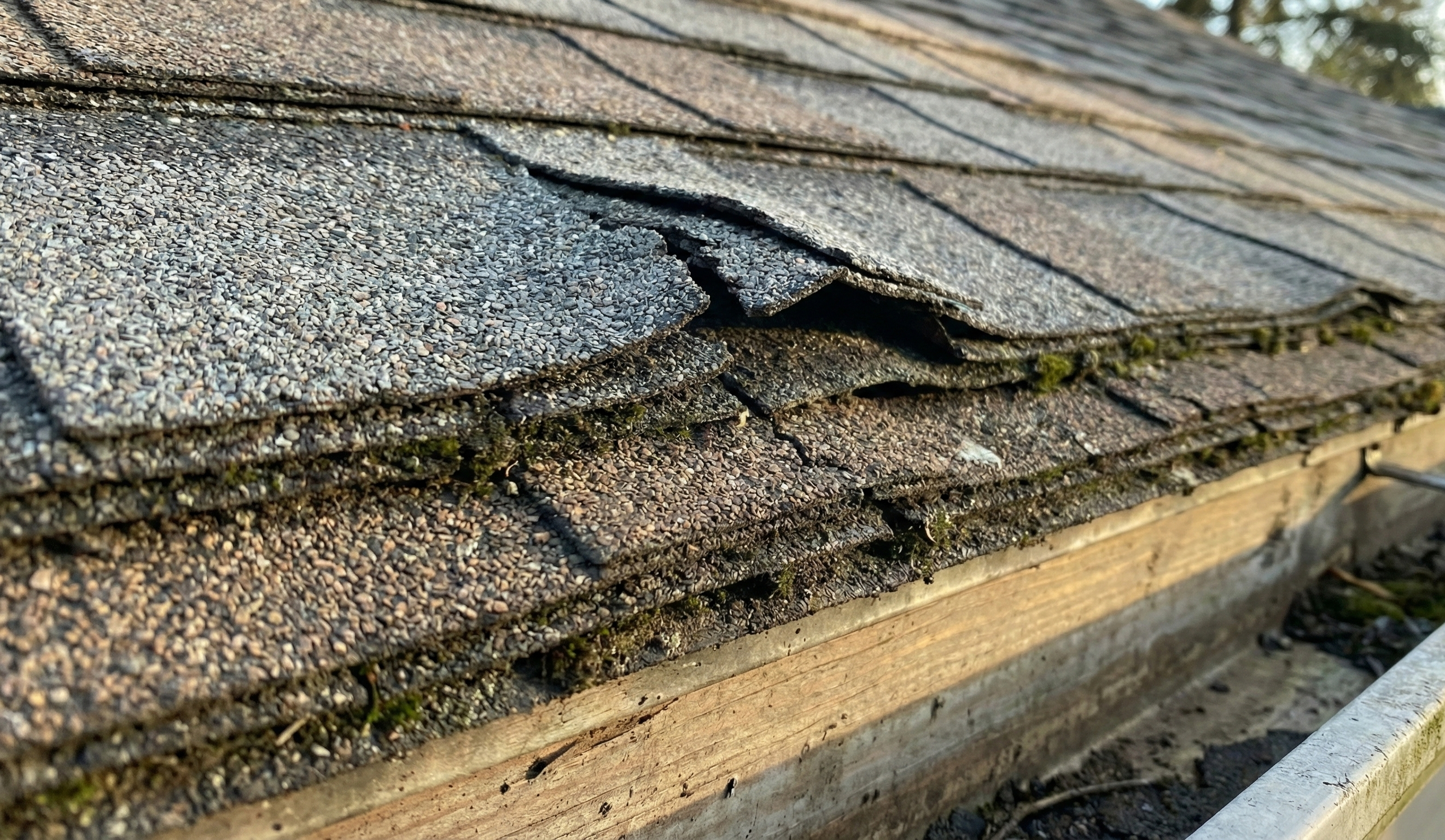
Installing metal over shingles only works when the roof underneath is doing its job. If the structure is compromised, the deck won’t hold fasteners, or moisture is present, installing over shingles creates problems instead of solving them.
That’s why every roof needs to be evaluated on its own merits.
What “Installing Over Shingles” Actually Means
Installing a metal roof over shingles doesn’t mean ignoring what’s underneath. It means using the existing shingle roof as part of the roof system — when it’s suitable to do so.
When the conditions are right, the shingles aren’t just “left in place.” They serve a purpose.
The Three Common Ways Metal Is Installed Over Existing Shingles
1. Direct installation over a single layer of shingles
When there is only one layer of shingles, the roof deck is sound, and the surface is flat and secure, metal roofing panels can be installed directly over the shingles and fastened into the structure.
In this setup, the existing shingles:
- Add a small but meaningful amount of insulation
- Reduce noise compared to metal installed directly on deck
- Act as an additional protective layer beneath the metal
We still recommend installing a membrane over the shingles. While this may seem redundant, it plays an important role.
Steel expands and contracts with temperature changes. Asphalt shingle granules are abrasive, and over time, metal movement against those granules can scratch the primer and eventually compromise the Galvalume® coating. A membrane creates a smooth separation layer that allows the steel to move without damaging its protective finish, helping prevent premature corrosion.
When installed correctly, this system is durable, quiet, and long-lasting.
2. Full tear-off and installation on exposed decking
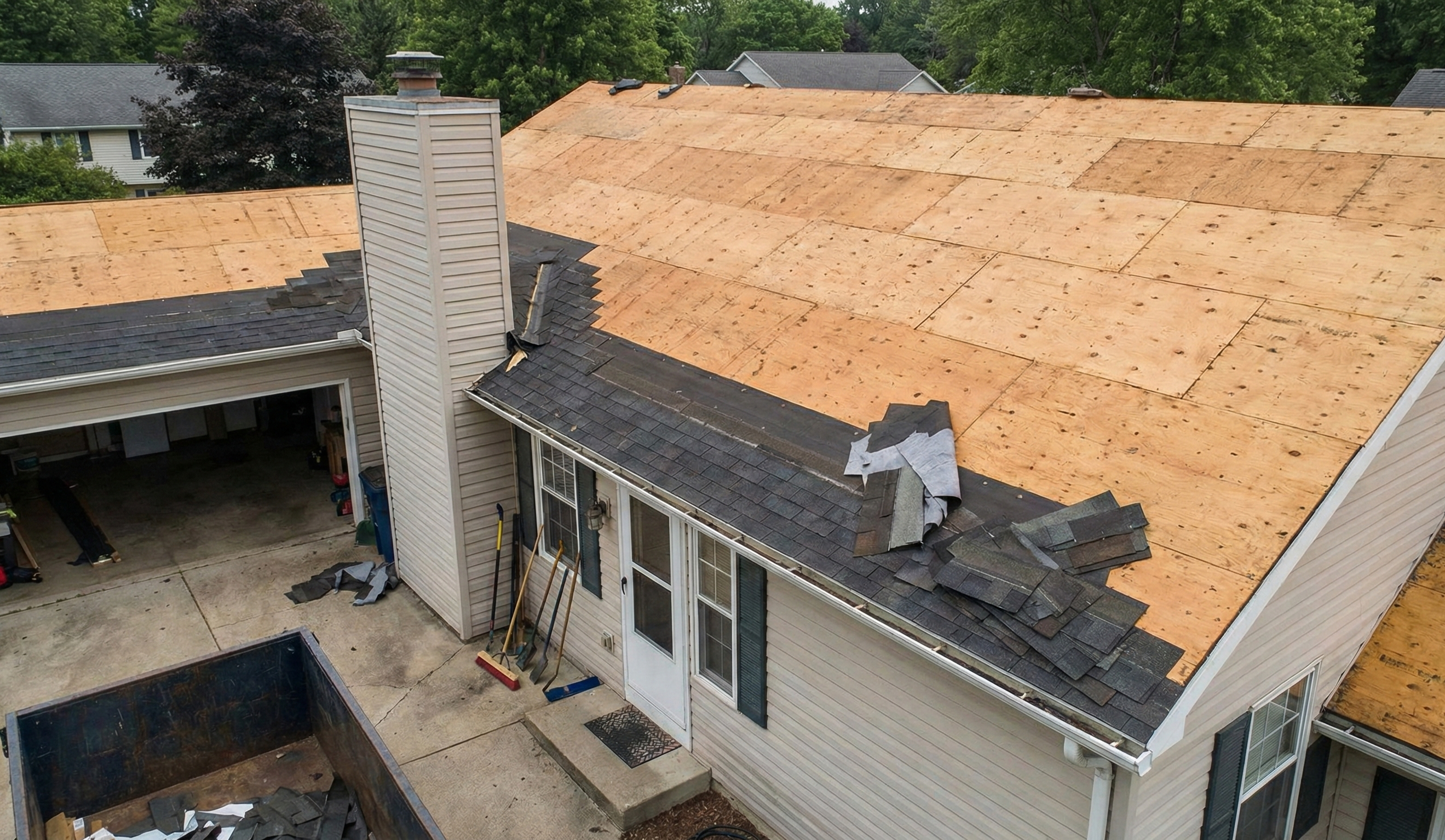
A full tear-off involves removing the existing roofing materials down to the deck before installing metal roofing.
This approach is necessary when:
- The deck is damaged or deteriorated
- Multiple layers of shingles are present
- Moisture issues exist
- Structural repairs are required
In these cases, installing over shingles would only hide problems that need to be addressed.
3. Installing over shingles using strapping
(CountryTowne’s preferred method in most situations)
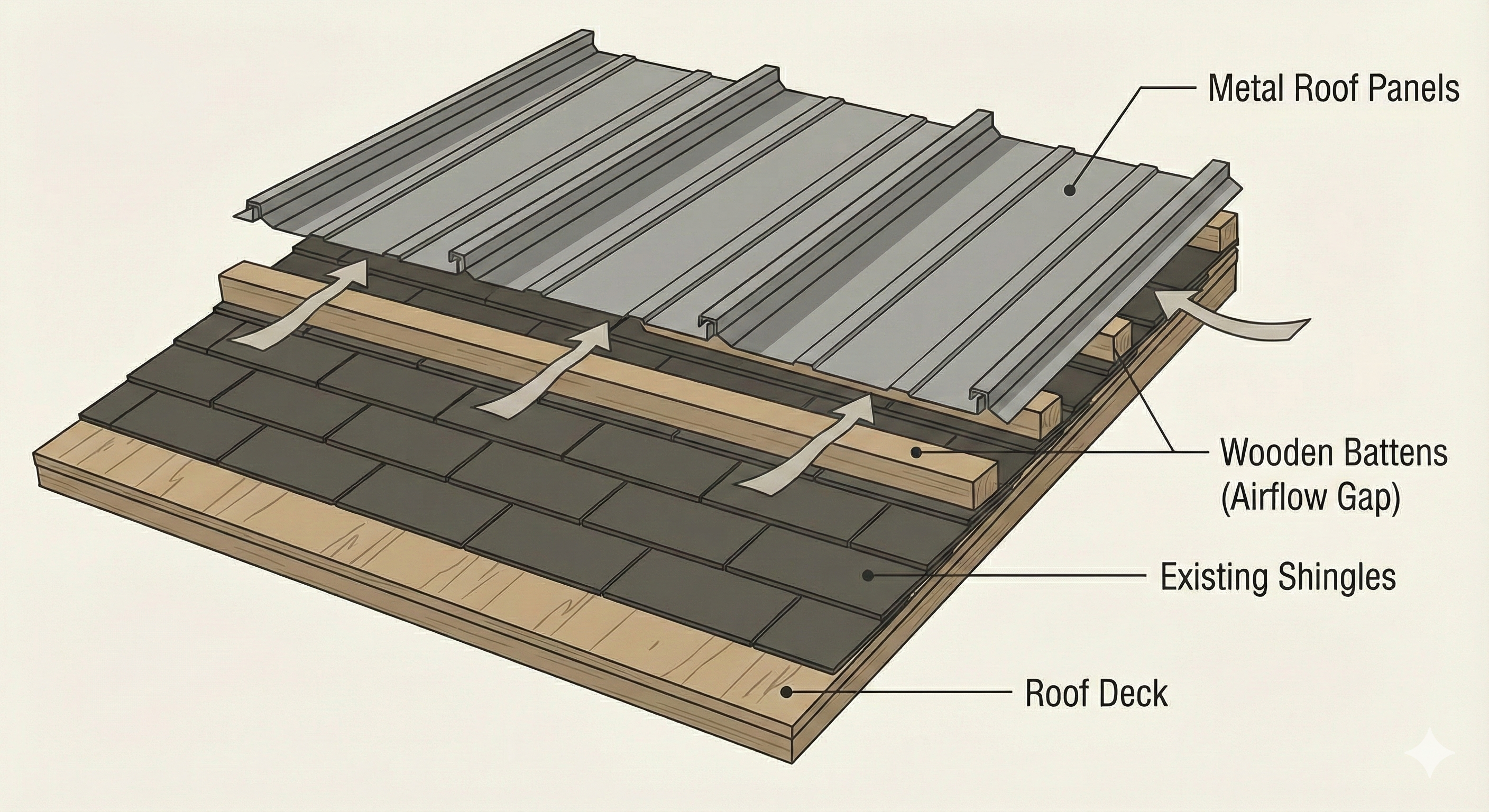
Strapping may be installed over the shingles to create a new mounting plane for the metal panels. This approach is especially useful when the roof surface isn’t perfectly straight or when specific design or performance requirements need to be addressed.
One of the key advantages of strapping is that it allows for a technique known as shimming.
Shimming is commonly used on older homes where rafters may have developed a slight sag or dip over time. This is not typically a structural issue, but it becomes more noticeable with metal roofing due to its straight lines and smooth paint finishes. Unlike asphalt shingles, metal does not hide inconsistencies in the roof plane.
By shimming the strapping, we can take up those low spots and create a flatter, straighter surface for the metal panels. The result is a roof that looks cleaner, performs better, and aligns with the design expectations that often come with metal roofing.
An added benefit of using strapping—whether shimming is required or not—is increased airflow beneath the metal panels. This air space helps move heat and moisture away from the roof assembly, reducing condensation risk and improving overall moisture management.
Even when shimming isn’t needed, strapping still provides meaningful benefits. The existing shingles remain in place and become part of the roof system, acting as a membrane layer beneath the metal. In these cases, the shingles help protect the roof deck and can eliminate the need for an additional traditional membrane layer, depending on the system design.
When installed correctly, the shingles are no longer just the “old roof”—they become a functional component that contributes to insulation, noise reduction, and moisture protection.
Additional advantages of installing metal roofing over shingles using strapping can include:
- A more forgiving fastening surface, especially on older roof decks
- Improved panel alignment and consistency across the roof
- Enhanced drainage and drying potential beneath the metal
- Reduced risk of telegraphing minor surface imperfections
Like all installation methods, strapping is not required on every project. But when roof conditions call for it, this approach allows us to correct minor issues, improve airflow, and deliver a finished metal roof that looks straight, performs properly, and lasts as intended.
Pros and Cons of Installing a Metal Roof Over Existing Shingles
Like any roofing method, installing metal over shingles has advantages and limitations.
Advantages
- Improved insulation and reduced noise
- Less disruption and debris during installation
- An additional protective layer beneath the metal
- Faster installation when conditions are right
Limitations
- The roof deck can’t be fully inspected without tear-off
- Fastener holding strength must be verified
- Not suitable for roofs with multiple shingle layers or moisture issues
The key is knowing when the advantages apply — and when they don’t.
When Installing a Metal Roof Over Shingles Makes Sense
We recommend installing over shingles only when all of the following are true:
- There is only one existing layer of shingles
- The roof deck is solid and securely holds fasteners
- The roof plane is straight and stable
- There are no signs of moisture, leaks, or deck damage
- Ventilation and flashing details are properly designed
When any of these conditions aren’t met, installing over shingles is not the right solution.
When Installing Over Shingles Is the Wrong Decision
Installing over shingles is not appropriate when:
- Multiple shingle layers are present
- The deck is soft, sagging, or deteriorated
- Moisture or past leaks are evident
- Repairs require full access to the deck
- Long-term serviceability or warranty clarity is a priority
In those situations, starting with a clean deck is the responsible choice.
How We Decide Whether a Roof-Over Is the Right Choice
We don’t default to one method. We evaluate each roof based on:
- Shingle layers and condition
- Structural integrity and roof plane
- Deck condition and moisture risk
- Ventilation and airflow
System compatibility, materials, and flashing details
The decision comes from the roof — not a preference.
Installing Over Shingles vs. a Full Tear-Off
Installing over shingles can reduce disruption and material waste, but it limits inspection. A tear-off takes more time and labour, but offers complete visibility and access.
Neither approach is universally better. The right choice depends on the roof itself.
The Bottom Line
Installing a metal roof over existing shingles can be an excellent solution when the roof qualifies. It can improve comfort, reduce noise, and add an extra layer of protection.
But it only works when the structure underneath is sound.
At CountryTowne, the goal isn’t speed — it’s building a roof that performs properly for decades.
Subscribe to Our Blog
Subscribe to the Country Towne blog so you never miss a post. Our posts are full of valuable information about Country Towne’s metal exteriors.